Peckham
A Tale of Two Streets
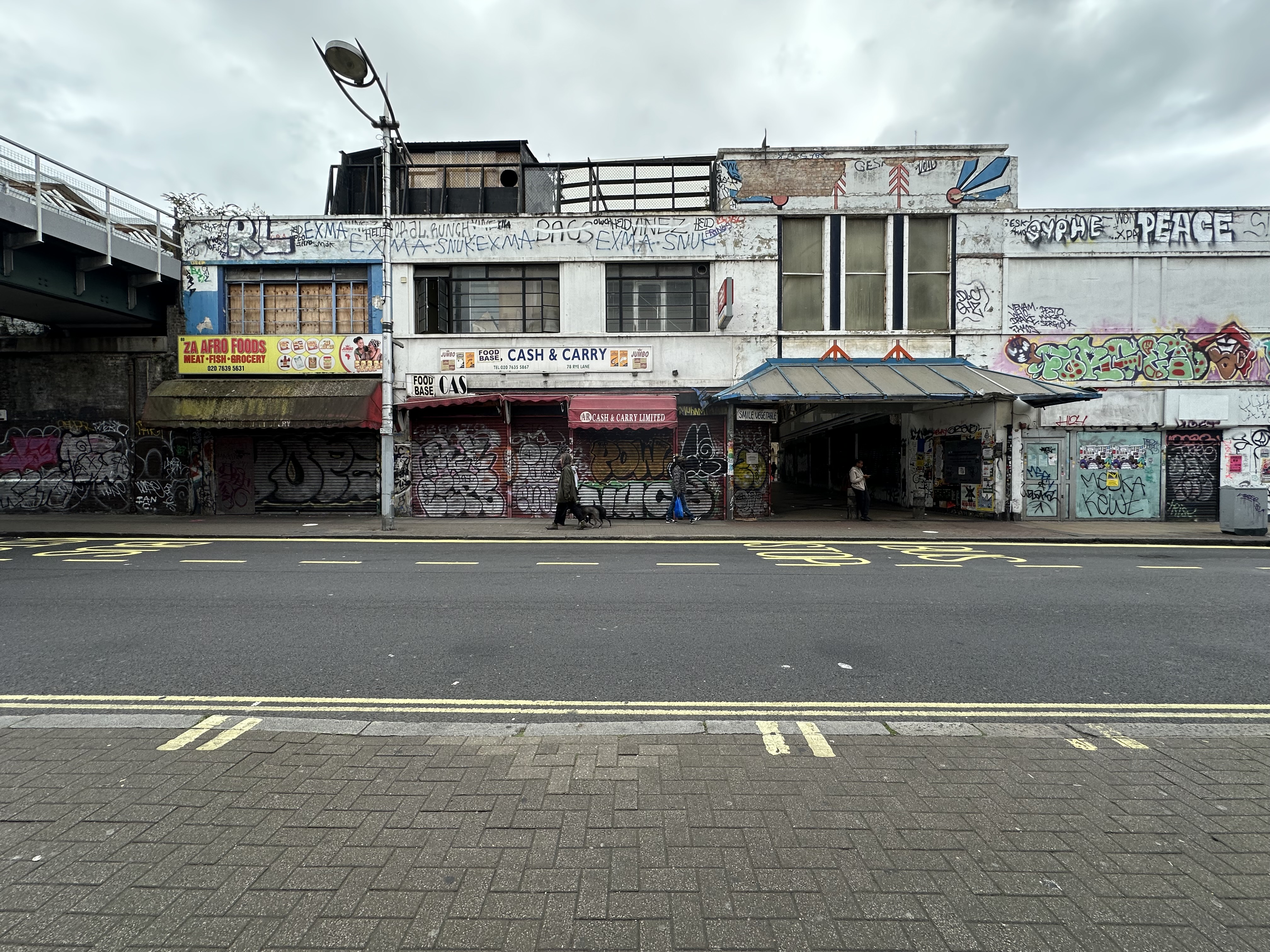
Walk a few minutes through Peckham and you see two London’s colliding. On Rye Lane, one of the city’s busiest high streets, you’ll find Afro-Caribbean grocers, nail bars, discount clothing stores, and phone repair shops. Crowds spill out of the station and weave past overflowing displays of plantains and trainers. The energy is undeniable — and so is the sense that much of this retail belongs to a different era of consumption.
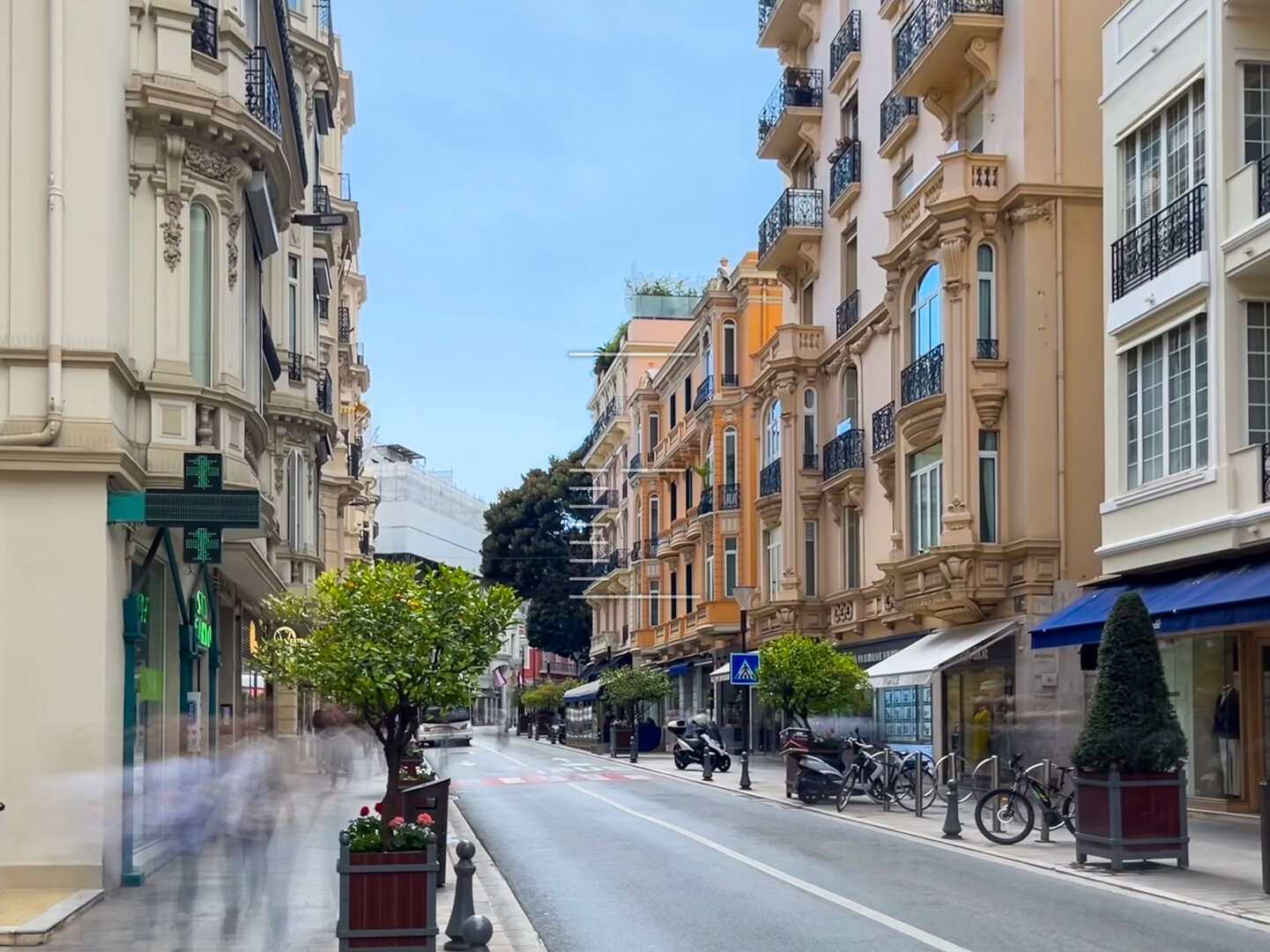
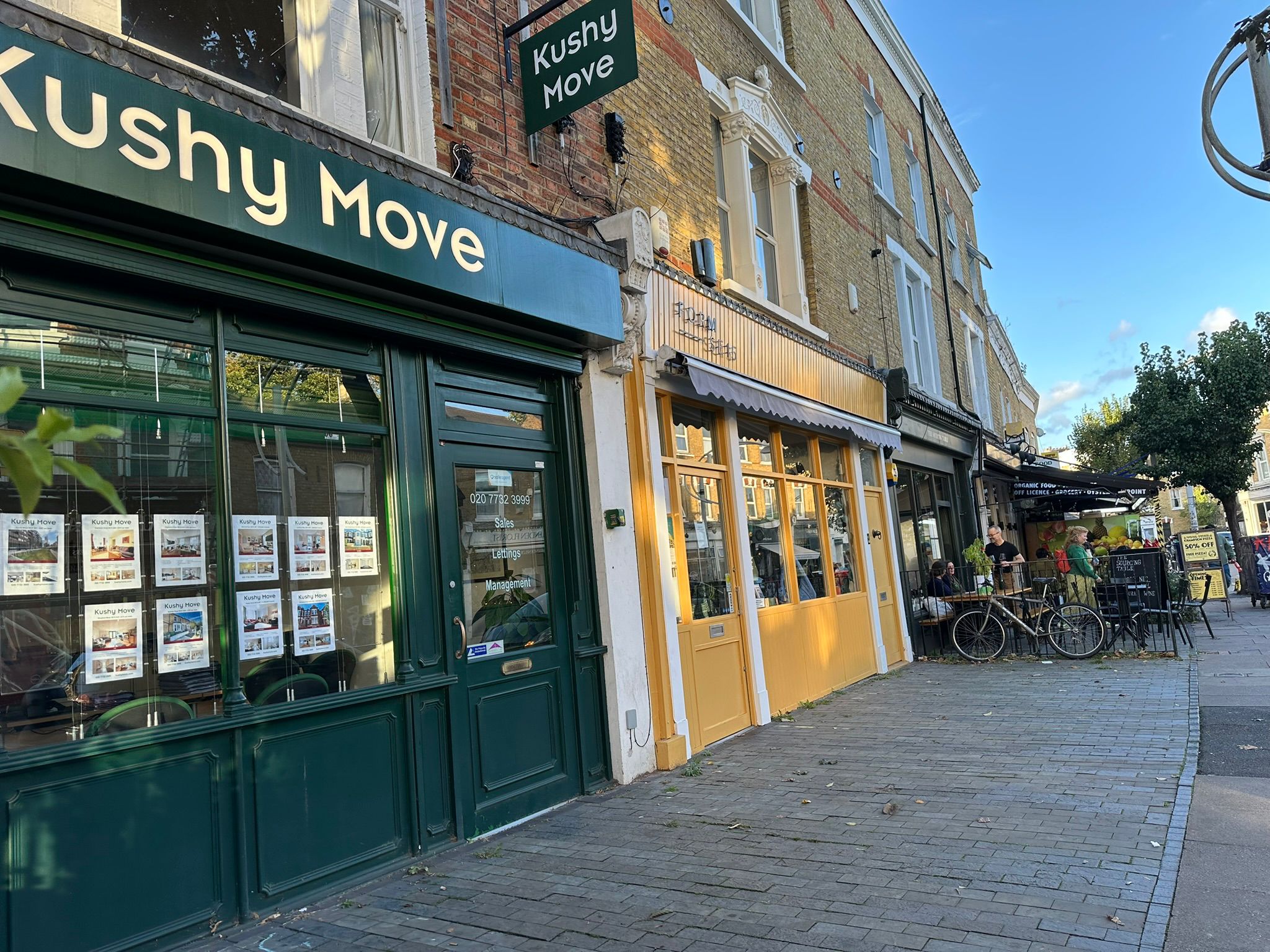
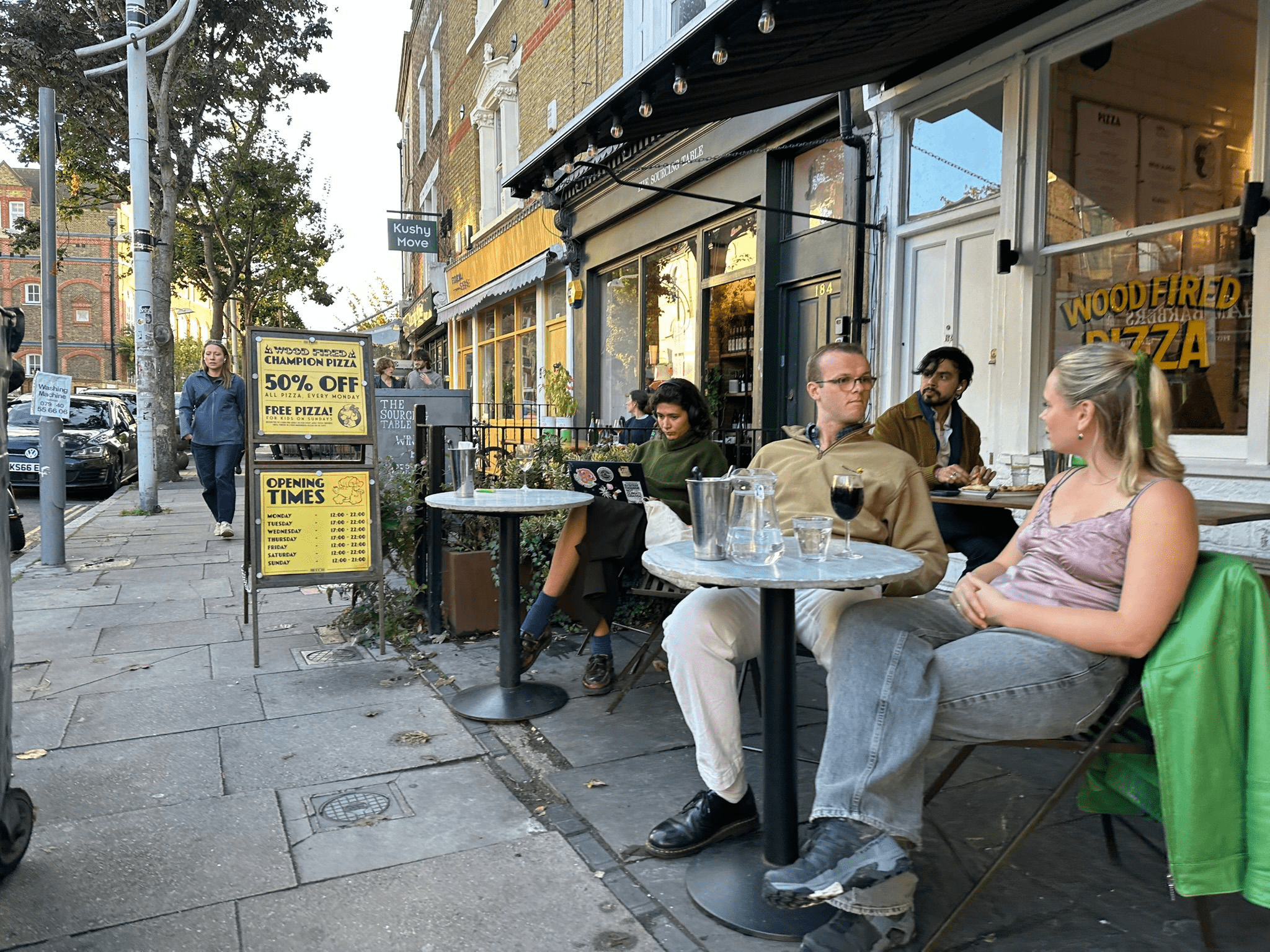
Turn onto Bellenden Road, just a block away, and the landscape shifts. Here are independent cafés with carefully designed interiors, boutique restaurants charging Shore ditch prices, and wellness studios catering to the young professionals who have made Peckham their home.
The contrast is stark. Yet the economics are starker still: Bellenden Road commands rents of ~£72 per square foot per year. Rye Lane, despite higher footfall and better transport links, averages just £28.50. For investors, this disparity is not just an anomaly. It is an arbitrage opportunity hiding in plain sight.
Lessons from London’s High Street History
London has seen this pattern before. In Shore ditch, artists colonized neglected warehouses in the 1990s; within 15 years, global brands were paying West End rents. In Kentish Town, unfashionable retail stock was repositioned into mixed-use schemes — cafés at street level, coworking and apartments above — and values soared. Around Victoria Park, Hackney, independent food and drink operators turned a sleepy neighborhood into one of East London’s most coveted enclaves. Each story followed the same arc: cultural pioneers shift the perception of place; consumer demand follows; capital re-prices the real estate; investors who moved early are rewarded disproportionately. Peckham today sits at the beginning of that cycle.
What the Numbers Say
Peckham is not an intuition play; the data supports the thesis.
- Footfall: A Southwark-commissioned audit in 2015 recorded 1,900 people per hour on Rye Lane, with Saturday flows 50% higher than midweek. Even if a decade old, the scale of activity is a structural constant.
- Retail mismatch: That same audit revealed an under-supply of cafés and restaurants — exactly the categories driving growth in other gentrified districts.
- Leasing evidence (2024–25):
- 120 Rye Lane (4,882 sf): £135k p.a. → £27.60/sf.
- 223–229 Rye Lane (4,133 sf, corner): £135k p.a. → £32.70/sf.
- Co-op House, Unit 2 (2,867 sf): £65k p.a. → £22.70/sf.
- Average: £28.50/sf p.a.
- Sales evidence:
- 182 Rye Lane: £725k, rent £41,250 p.a. → 5.7% yield, reversionary to 8%.
- 203–205 Rye Lane: £600k, income £55,660 p.a. → 9.3% yield.
- 221 Rye Lane: planning granted for hotel + café, development potential.
The picture is consistent: Rye Lane offers income yields and reversionary growth potential well above London averages.
Why the Market is Mispricing Peckham
Why does Bellenden Road trade at more than double Rye Lane’s rents? The answer lies in perception. Bellenden has already signaled its transformation: chic tenants, curated offer, aspirational identity. Rye Lane, by contrast, still carries the optics of discount retail. Investors and consumers alike undervalue what they see, despite the fundamentals — footfall, connectivity, and demand — being stronger. This is the classic lag that marks the entry point of a gentrification cycle.
The Investor’s Role: Stewardship, Not Displacement
Of course, Peckham is not Shoreditch in 2005. Its African and Caribbean identity is integral to London’s cultural fabric. As community leader Eileen Conn has argued, regeneration must not simply mean replacement. Investors who succeed here will be those who can balance financial innovation with cultural preservation — repositioning assets without erasing their soul.
That means:
- Re-letting units to independent cafés, restaurants, wellness operators, and creative agencies priced out of Shore ditch or Soho.
- Retaining and adapting heritage businesses — as 139 Fika has done, evolving a Nigerian restaurant for a broader audience without losing authenticity.
- Unlocking mixed-use potential (residential above retail) to create sustainable returns without flooding the market with homogenous chains.
Why Now? The Tipping Point
Four forces converge to make Peckham’s timing compelling:
- Transport: Overground links put Shoreditch, Dalston, and Canary Wharf within 20 minutes.
- Hybrid work: More residents in the neighbourhood throughout the day, driving demand for “all-day” retail.
- Public backing: Southwark Council continues to invest in public realm and regeneration initiatives.
- Valuation gap: With Rye Lane at £28/sf and Bellenden at £72/sf, the reversionary headroom is undeniable.
This window will not last long. Markets reprice once narratives shift.
Conclusion: From Dip to Ascent
Peckham is often described as being “on the cusp.” The truth is that cusp moments do not last. They are fleeting arbitrage opportunities that reward decisiveness. Rye Lane today is undervalued, under-curated, and underappreciated — yet it is brimming with energy, connectivity, and consumer demand. Investors who step in now, align with the community, and curate tenants for the future will not only capture yield and capital growth. They will help write the next chapter in London’s high street history. If Shore ditch defined the last cycle, Peckham will define the next.
📌 Sources: Southwark Council / London South Bank University, “Peckham Rye High Street Report” (2015, for historic baseline); Jenkins Law, Cited, Acorn, Prime Location, Kalmar’s, Savills, Rightmove, On The Market (2024–25 market listings).
By Avinell
Data and primary research conducted by Mr Olumide Onitiri-Coker